

In the field of industrial control, redundant modules are widely used and important, significantly improving the reliability, stability, and fault tolerance of the system. The following are specific applications of redundant modules in the field of industrial control:
1. Power redundancy
Application description: For key equipment in industrial automation systems, such as PLCs (Programmable Logic Controllers), servers, and critical control units, redundant power modules are typically configured. These modules can quickly take over in the event of a main power failure, ensuring the continuous operation of the equipment.
Advantage: Prevent system shutdown caused by power failure, ensuring the continuity and stability of the production line.
2. Communication redundancy
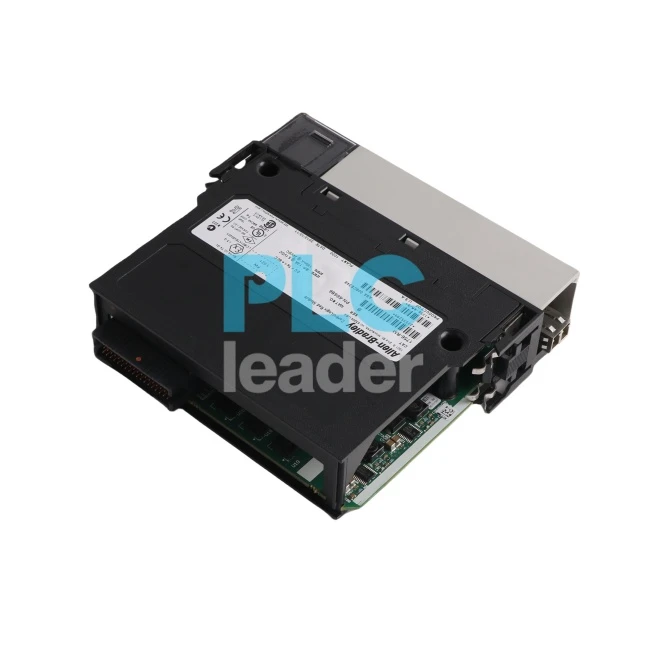
Application description: Industrial automation systems rely on various communication protocols and networks to achieve data transmission and exchange. Redundant communication design is widely used to avoid system downtime caused by communication failures. This includes using multiple communication lines, multiple communication interfaces, or different communication protocols.
Example: In the application of Beijing Dingshi Technology in the petrochemical industry, PBM-MCO-1.0 gateway is used to achieve redundant communication between PROFIBUS and Modbus, ensuring that in the event of a communication failure on either channel, the system can automatically switch to the other, maintaining the continuity of data communication.
Advantages: Ensure reliable data transmission, improve system communication stability and fault tolerance.
3. Control redundancy
Application description: In automation control systems, PLC is a key device for implementing various control logics. In order to improve the reliability of PLC, redundancy design has been introduced. For example, using a dual PLC system, where one PLC serves as the main controller and the other as the backup controller. When the main controller fails, the backup controller can immediately take over the control task.
Advantage: Ensure the continuous operation of the control system and reduce production interruptions caused by controller failures.
4. Redundancy of sensors and actuators
Application description: Sensors and actuators are key sensing and executing components in industrial automation systems. In order to improve the reliability of the system, sometimes redundant configurations are made for key sensors and actuators.
Advantage: Even if a sensor or actuator fails, other redundant components can still provide necessary information or execute control commands to ensure the stable operation of the system.
5. Security system redundancy
Application description: In industrial automation, security systems are crucial for protecting the safety of personnel and equipment. Therefore, redundancy design is also widely used in security systems. For example, Safety Instrumented Systems (SIS) typically use Triple Modular Redundancy (TMR) technology to ensure that the system can still perform its safety functions in the event of any single fault.
Advantage: Improve the reliability and stability of the security system, ensuring quick and accurate execution of security functions in emergency situations.
6. Specific industry applications
Automotive manufacturing: In terms of automated production lines, robot control, quality inspection, etc., PLC redundant systems ensure the stable operation of production lines, improve production efficiency and product quality.
Aerospace: In aircraft manufacturing, satellite control, rocket launch and other fields, the reliability and stability of control systems are highly required. PLC redundant systems can ensure the normal operation of control systems and ensure flight safety.
Medical equipment: In terms of surgical robots, imaging equipment, monitors, etc., PLC redundant systems ensure the stable operation of medical equipment and improve medical quality.
Petrochemical industry: In refining, chemical production, tank monitoring, etc., PLC redundant systems can ensure the safety and stability of the production process.
In summary, the application of redundant modules in the field of industrial control covers multiple aspects such as power supply, communication, control, sensors and actuators, and safety systems. By providing additional protection and recovery mechanisms, it significantly improves the overall performance and reliability of industrial automation systems.